I made a comment on Instagram recently about a cookbook I had received, very kindly, as a gift. The whole pan-Arab Mediterranean Israeli cooking thing has become extremely popular in the wake of the Ottolenghi boom, and I receive and read a lot of those cookbooks. I commented that this book in particular, a sort of Middle Eastern Iranian Ottoman mish-mash, had some lovely looking recipes, but that I felt by lumping all of the Levant, North Africa, Turkey, the Gulf and Persia together, something really got lost in the middle. It probably helped that I thought the book badly needed a copy editor, as there were numerous seemingly strange observations in the book. (My favorite of which, the statement that "potatoes aren't very common in Middle Eastern dishes," made me laugh out loud for its bizarreness. These are the same people who invented the french fry sandwich, but I digress.)
This is not meant to be a criticism of any one cook or cookbook, and I should add that I have tried a few recipes from this cookbook that came out wonderfully. Part of my criticism comes from a frustration that the approach to the Middle Eastern cooking trend is all about cherry-picking. Everyone talks about harissa, preserved lemons, za'atar, dukkah, and labne. No one talks about jameed, ashta, qawarma, malawach, or home-made couscous. Those are all great ingredients, wonderful things, but each one comes from a unique tradition and a different style of cooking. And yes I know, some things will always be more popular than others. But, would you call something an Asian dish just because it involved a bit of soy sauce?
Of course, I don't expect anyone to be as nerdily excited as me in studying Middle Eastern food traditions, nor should they be. But, I do think there is the responsibility on the part of the cookbook writers who write about these foods, and their editors, to dig a little deeper. I expect more than just some pretty pictures and four sentences about sour cherries. Maybe I'm asking too much. Maybe 90% of your readers just want to look at the pictures, but what about the 10% who bought your book because they actually wanted to learn something. It takes a lot for someone to buy a real hard-copy cookbook these days, and I want the author to make it worth my while.
The thing is, it's sad if people only know about harissa sold in jars. If someone has gone far enough to buy your book about Middle Eastern foods, then they deserve to learn about hand-rolled barley flour couscous and cooking with argan oil and salty creamy ijben cheese (all those are Moroccan, but you get my drift). I think you should explain to them that good labne and good preserved lemons, one from North Africa and one from the Levant, would not historically have found their way into the same dish. Innovate with knowledge of tradition.
There is a lot of pressure on cookbook writers, Instagrammers, bloggers, chefs, to produce food that is PRETTY. The NYTimes Pete Wells has talked about that here, and I loved Tim's recent thoughts about the boringness of pretty things here. I don't want food to only be pretty, I want it to taste good and if it's a really good meal or a good cookbook, it should be food that makes me think. My recent meal at Lokanta Yeni in Istanbul was an example of that, modern food rooted in Turkish tradition, with a carrot dip that made you rethink everything you knew about carrots. If you're a chef that's using the traditional spice blend dukkah on your menu, but that's the only thing you know about Egyptian food, then I think there's something wrong with that. Maybe that makes me obnoxious, or a snob, or maybe just someone with really high standards. I'm okay with that.
I read an interview with Anissa Helou recently, where she was asked if anyone was doing really truly innovative modern Middle Eastern cuisine, and she answered honestly, no she could not think of anyone. There are plenty of Middle Eastern influences in restaurant food these days, especially with some well-known chefs, but I'm inclined to agree with her opinion. Because there is very little understanding of the depth and history of these food traditions, there cannot be real innovation. Your food cannot make someone think if you do not know what you are saying, and if you do not know how the ingredients you are using are traditionally used, then how do you know what you are saying with them? I think often of a profile of the Italian chef Massimo Bottura that ran in the New Yorker last year.
However, all is not lost when it comes to this (endlessly long rant by yours truly). Greg Malouf's books always ring true to me, as someone who has traveled and researched the food he writes about, but takes the flavors in a new direction. (His salmon samkeh harra recipe is a classic example of this.) Leila's Haddad's wonderful Gaza Kitchen book, that introduced the world to roast baby watermelon fetteh, is another example. I love reading Joumana's Taste of Beirut, which highlights both traditional and contemporary Lebanese foods, and I'm looking forward to Felicia Campbell's Taste of Oman coming out this year.
This is all just a long winded way of saying that all these articles, these books that arrive in my mail box, the food I eat in restaurants, have gotten me thinking about demanding higher standards for myself, and for this blog. I write this unpopular food blog out of love and joy and occasionally out of frustration and a sense of duty to my six readers. But mainly, I write it to keep track of things I've liked and things I've learned. I work full time, commute battling donkey carts in the streets, spend an inordinate amount of time scrubbing vegetables, and don't have time to photograph perfectly styled shots of what I cook in my late night dimly lit kitchen. I routinely search twitter to find out if the explosion I just heard was an IED, a transformer exploding, or fireworks (all are regular occurrences). In between all that, I hope that I can write something meaningful for a few people in this tiny corner of the internet.
back soon with something tasty.....
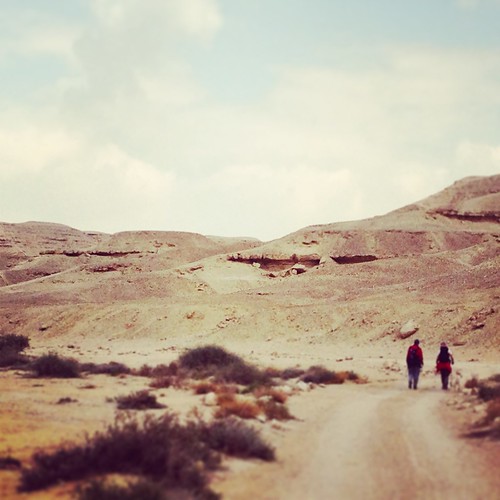
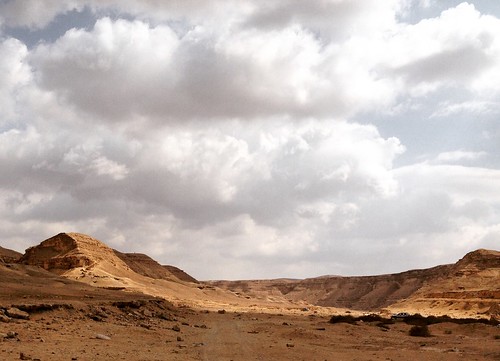
Photos from Wadi Degla, Cairo, Egypt.