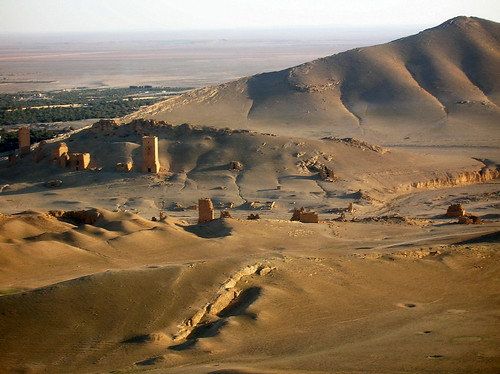
 I spend a lot of time here extolling the virtues of delicious dishes, some are simple, others more complicated, some call for fancy or expensive ingredients. But the fact of the matter is, I’ve spent part of my professional time figuring out how to feed some of the world’s poorest people. People sometimes ask if this is difficult, how I can reconcile designing food budgets on 5 cents a person a day and serving fancy cheese at a dinner party. I reply that my food philosophy can be summed up in one word: nourishment. Nourishment is the simplest bowl of porridge for a food-insecure person, nourishment is the dinner mom puts on the table every night, nourishment is splurging on that fancy ingredient for a holiday, and scraping together the scraps when the budget is tight. Nourishment is the love, the care, the thought we put into each dish we make. Nourishment is the food that feeds the soul as well as the stomach.
For a long time, I saw my work as completely seperate from my culinary exploits. I worked for the World Food Programme in Syria, designing a food for education program, a women’s empowerment program, doing emergency relief during the war in Lebanon and for Iraqi refugees. The flour we ordered came in metric tons measured according to extraction rates and our main concern about vegetable oil was that women could carry the tins. It was probably the most intellectually stimulating and rewarding job I’ve had, but the food part of it had little relation to the way I thought of my daily sustenance.
Slowly, though, I’ve come to realize how influential that experience is on how I cook in my own kitchen, and it’s not just using every last scrap of the roast chicken. There were the staff meals we shared everyday, a wealth of Syrian homecooking. Typing up surveys of our program's participants, I learned about the daily food production in rural areas; meeting with sheep farmers in the Badia I learned about feeding and raising livestock. On a larger scale, I also learned about procuring aid, the difficulty of tight budgets and international strictures and biased agriculture subsidies. The same agriculture policies that impact the food you buy and eat also impact the world of international aid. Many of the U.S. protectionist trade policies are highly detrimental to the work of aid organizations (by hampering local procurement thereby slowling relief efforts often by months). It is yet another reason I believe strongly in supporting local farmers and products, by supporting farmers in your own area you are making in impact in the larger global economy.

The holidays are coming, and we’ll be buying gifts and baking goodies, and I’ll be the first to say go ahead and celebrate to the fullest. But it’s also a time to think about those well off, which is why I couldn’t be more excited to support this years Menu for Hope. This annual event consists of food bloggers offering raffle prizes to raise money for the World Food Program. Last year, Menu for Hope raised $62,925 for WFP, this year the proceeds will benefit a WFP school lunch program in Lesotho, Africa. Take a look at some of the faces from Lesotho's program, and find out more about Menu for Hope.
Here’s how it works:
1. Head over to Chez Pim and scan the whole array of prizes on offer. Make sure to choose prizes in your geographic area (code UE for U.S. East Coast, UC for central U.S., UW for the west coast, UK, EU, etc.).
2. Go to Firstgiving to buy a $10 raffle ticket, specifiying any prizes that appeal to you in the “personal message” section. Buy as many tickets as you like!
3. The campaign runs from December 10-21. After that, check back with Chez Pim and check out if you’ve won.